Dinner plates are the most-used thing on any table and the least-considered purchase in most homes. Here is the honest comparison, in our recurring Splurge / Save format: one piece worth investing in, one that earns its place for a fraction of the price, and what actually separates them.
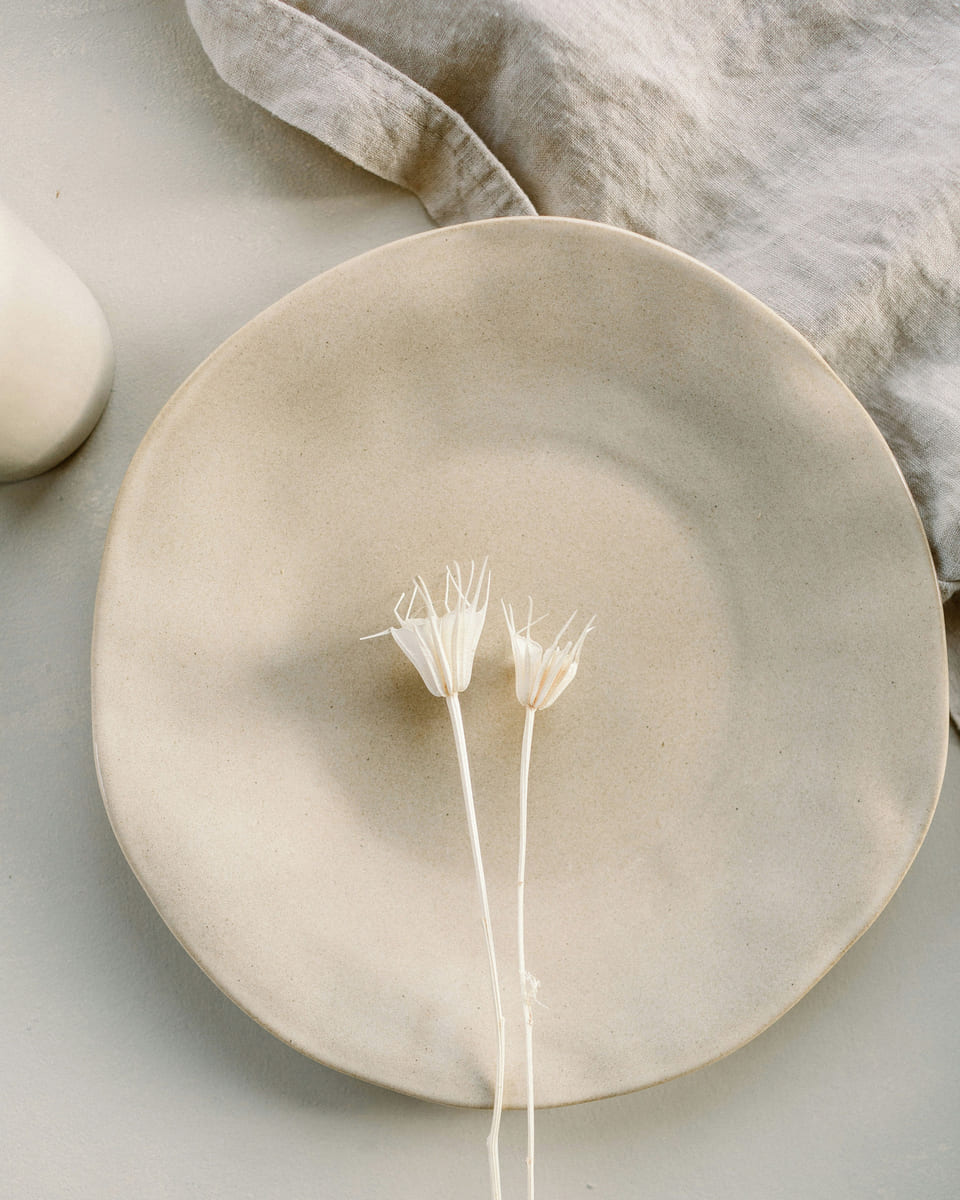
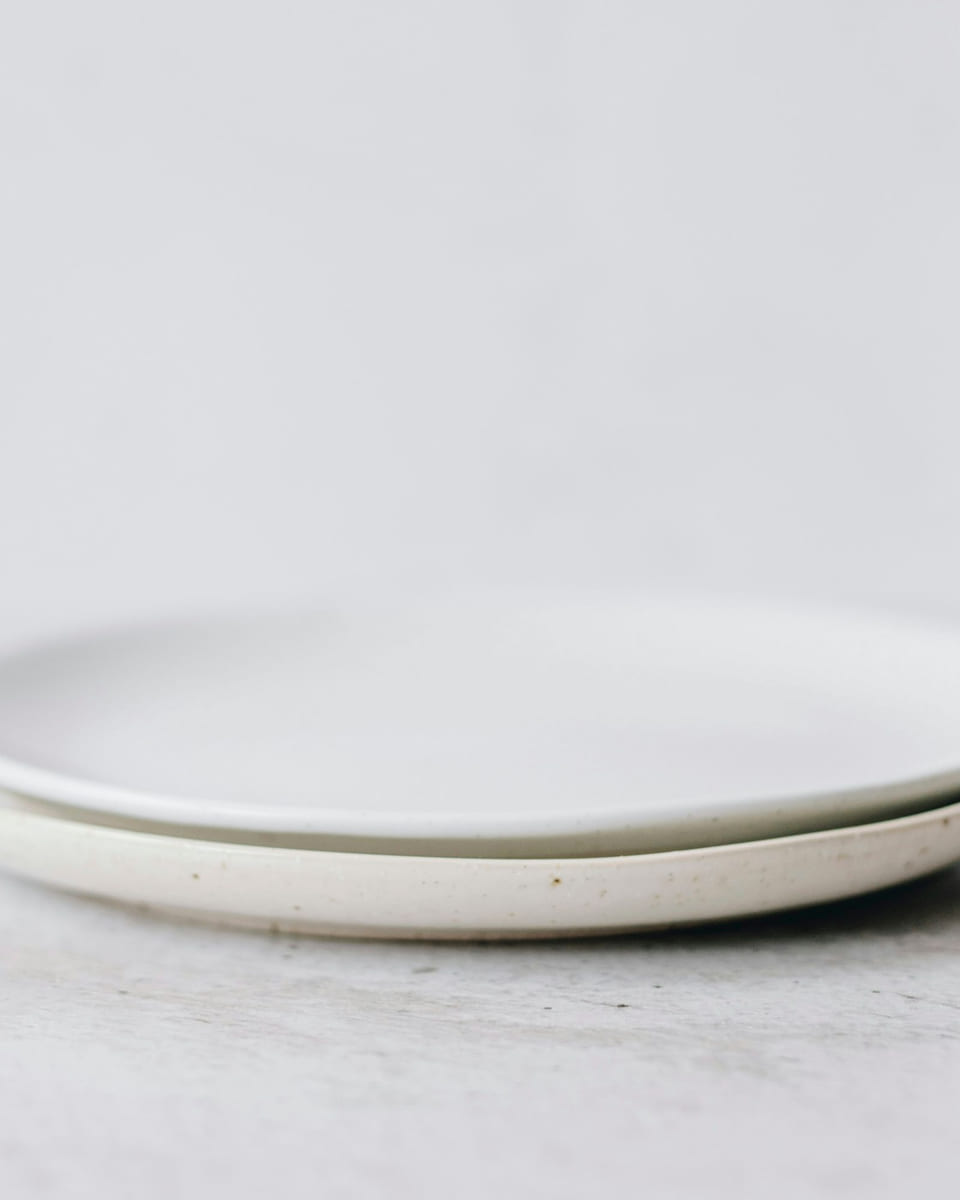
The splurge: handmade stoneware
A thrown or hand-finished stoneware plate with a matte glaze is quietly expensive-looking because no two are the same. The glaze pools a little differently on each one, the rim has a soft irregularity, and the weight in the hand feels substantial. Every plate is slightly different, which is exactly the point.
What to look for: a diameter of 10½ to 11 inches (anything smaller reads as a salad plate), a glaze the maker describes as food-safe, and clear care notes. Some studio pieces are dishwasher-safe; some are happier washed by hand.
The trade-offs: stoneware tends to be heavier, can chip at the rim if knocked, and handmade lines are not always available to reorder a year later. Buy a couple of spares at the start.
The save: white restaurant-supply porcelain
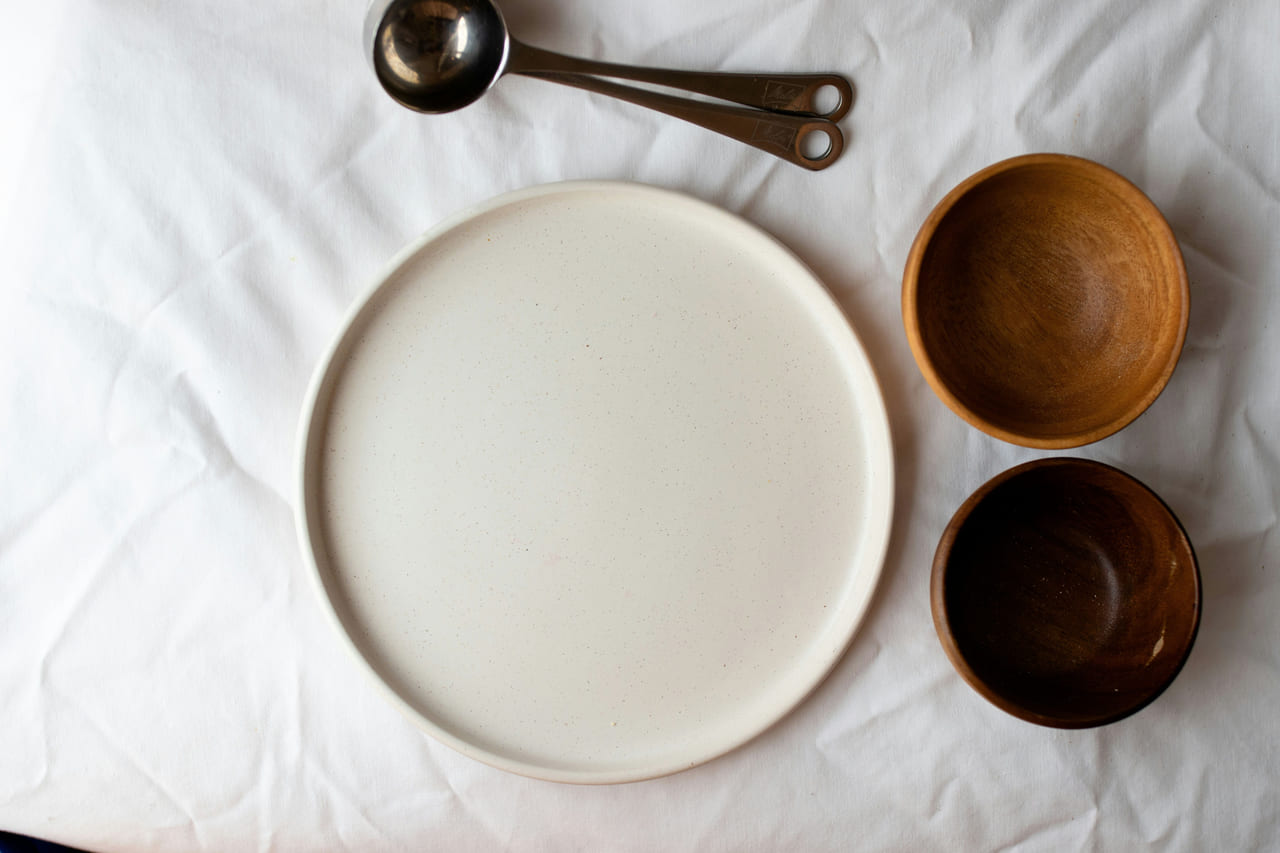
There is a reason restaurants use plain white plates: food looks best on white. Commercial porcelain and vitrified china are made for daily abuse, usually with a rolled rim that resists chipping, and they are sold as open stock, so a broken plate is replaced, not mourned.
What to look for: a wide, flat well (more room for the food, less for the rim), the same 10½- to 11-inch diameter and a rolled or reinforced edge. Restaurant-supply stores and their online shops are the place to start.
Side by side
| Splurge: handmade stoneware | Save: white porcelain | |
|---|---|---|
| The look | Organic, matte, one-of-a-kind | Clean, bright, timeless |
| Weight | Heavier, substantial | Lighter, easy to stack |
| Durability | Rims can chip; follow the maker’s care notes | Built for commercial kitchens |
| Replacing one | Not always possible later | Open stock, easy |
| Rough price per plate* | About $30–$80 | About $5–$15 |
*Our rough estimates as of October 2026; prices vary widely by maker and store.
The middle path
Use white porcelain for the dinner plates and handmade stoneware for the salad or side plates layered on top. You get the texture where the eye lands first, the durability where the knives go, and a budget that survives a dropped plate.
Our picks
Disclosure: some shopping links on Gather & Gloss are affiliate links, and we may earn a commission if you buy through them at no extra cost to you. We don’t link a specific plate here; use the details below to shop your own. How we choose and disclose.
A matte-glaze stoneware dinner plate
Look for a small studio or maker line offered in open stock, around 10½ inches, in an oat, cream or sage glaze that flatters both autumn food and spring greens.
A white rolled-rim porcelain dinner plate
Restaurant-grade, dishwasher-safe and sold by the dozen. Choose the widest flat well you can find.
We compare materials, dimensions and care, not hype. We don’t accept payment for placement in Splurge / Save.